

How to Dry Insulated Work Boots Overnight Safely
Last Updated: November 3, 2026
Quick Summary
To dry insulated work boots overnight safely, remove the insoles, open the boots wide, and blot surface water with a towel. Stuff them with absorbent paper, replacing it every two to three hours, and keep them in a ventilated room away from heat. Dry insulated work boots should feel neutral inside before the next shift.
- Remove insoles and open the boots as soon as you get home.
- Replace absorbent paper every 2 to 3 hours until it stays dry.
- Avoid radiators, stoves, and hair dryers, since high heat damages leather and insulation.
- Use low-heat convection or passive airflow if you use a boot dryer.
- Check the lining and insoles before bed and again before wearing them next morning.
Table of Contents
- Why Insulated Work Boots Need Careful Overnight Drying
- Prepare the Boots: Remove Insoles and Open Them Up
- How to Dry Work Boots Without a Boot Dryer
- Boot Dryer Safety: Using Heat Without Damaging the Boot
- How Long to Dry Work Boots Overnight: A Schedule With Checkpoints
- How to Dry Work Boots Without Damaging Them
- Checking That Boots Are Dry Before the Next Shift
- Set Up Your Overnight Drying Routine Before the Next Shift
- Frequently Asked Questions
Why Insulated Work Boots Need Careful Overnight Drying
Insulated work boots hold moisture in places you cannot see, and that moisture does not leave on its own by morning. Knowing how to dry insulated work boots overnight safely protects both your feet and the boot itself, so the dry insulated work boots you wear the next day stay comfortable and reliable. Find more cold-weather foot care tips in this guide to keeping feet warm in construction.
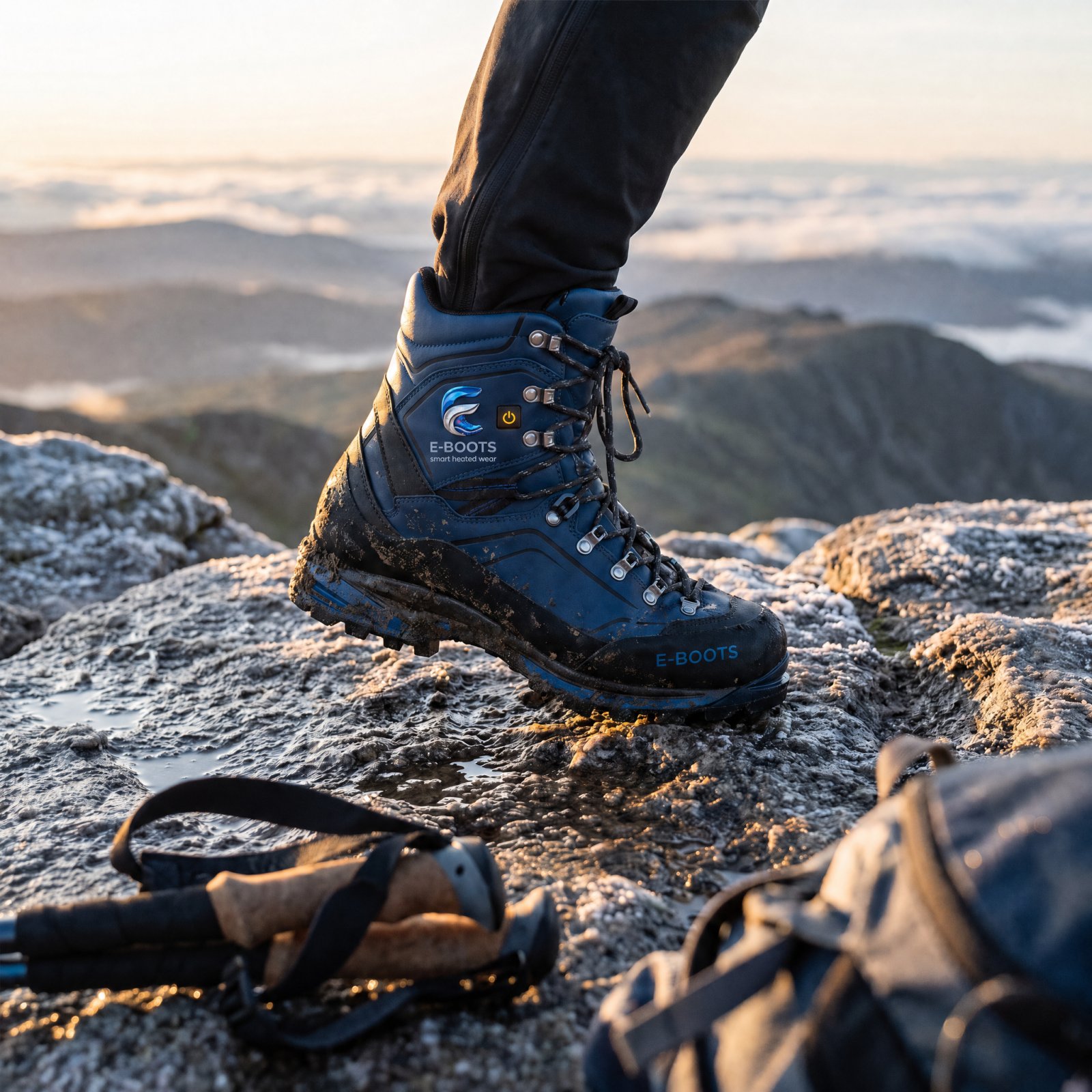
Good drying habits support comfort through long days in cold conditions. A boot that is dry at the start of the day is far more useful than one that is still damp.
The main risk is heat. Insulation layers and leather can be damaged by high or direct heat, so the safest methods use gentle, steady airflow rather than blasting heat. The Foot Facts guidance on boot dryers and low-heat drying recommends low-heat convection or passive air circulation for this reason.
Drying also matters for hygiene. Trapped moisture can encourage odour and, over time, mould growth inside the boot. Taking a few minutes each evening prevents both problems.
Prepare the Boots: Remove Insoles and Open Them Up
Start by pulling out the insoles and any removable footbeds.
Next, loosen the laces fully and open the boot as wide as it will go. Pull the tongue forward and spread the collar.
Wipe the outside and the inside of the boot with a dry towel.
If your boots have a heating system or battery pack, remove the battery before drying and keep the electronics away from wet areas. For replacement batteries and chargers, see 7 Heated Boot Replacement Batteries and Chargers That Actually Work.
Watch out: Never leave a wet battery or charger inside a damp boot overnight.
How to Dry Work Boots Without a Boot Dryer
Method 1: Stuff with absorbent paper
- Pack the boot loosely with newspaper or paper towels, pushing material down into the toe box rather than only into the shaft
- Use plain newsprint or unprinted paper towels where you can. Some people find that heavy ink can transfer onto a light-coloured lining, so keep printed pages toward the outside of the stuffing
- Replace the paper every 2 to 3 hours, or as soon as it feels damp to the back of your hand
- Keep going until the paper stays dry after several hours
A common pattern is that the first two changes pull the most water and later changes do very little. If the third or fourth round of paper comes out bone dry, the lining has given up what it is going to give up and you can move to airflow.
Method 2: Air-dry in a ventilated space
- Place the boots in a cool, dry room with good airflow
- Set them so air can move across the openings. A small fan pointed at the collar, not into the boot, is enough to keep air circulating
- Prop the boots so the openings face the airflow and the soles are not flat against a cold floor, since a cold surface pulls heat out of the boot and slows evaporation
- Keep them away from radiators, stoves and heaters
Air-drying works well for light dampness but can take longer for soaked insulated boots.
Method 3: Towel blotting for surface water
Before either method, blot the outside and the accessible inside with a dry towel.
What not to do
- Do not put wet insulated boots on a radiator, a wood stove, a forced-air vent or the dashboard of a truck. High heat is the single most common way people damage leather, adhesives, insulation and waterproof membranes
- Do not use a hair dryer on a hot setting. Even on low, the heat is concentrated and hard to control
- Do not pack the boot so tightly with paper that air cannot move. Loose stuffing dries faster than a solid block
- Do not leave a wet battery or charger inside a damp boot overnight
If your boots have a heating system or battery pack, remove the battery before drying and keep the electronics away from wet areas.
Watch out: A boot that is soaked through, not just damp, will usually not be dry by morning with paper and passive air alone.
Boot Dryer Safety: Using Heat Without Damaging the Boot
A boot dryer can speed things up, but heat must be managed carefully. Too much heat can crack leather, weaken adhesives and damage insulation.
Follow these safety habits:
- Use a dryer designed for footwear, with a low-heat setting
- Never use a hair dryer or a space heater on a boot
- Do not leave a dryer running unattended overnight unless the manufacturer says it is safe to do so
- Keep the dryer away from flammable materials such as paper bedding or clothing
- Check the boot's temperature by touch. It should feel warm, not hot
Some safety guidance suggests avoiding forced-air units when no one is around to watch them, and using low-heat convection or passive airflow instead. Boot dryer safety guidance from The Foot Facts explains why this approach is often recommended.
For more on heated footwear and daily use, read Are Heated Boots Safe for Daily Work Use? Heat exposure over time is also covered in How Long Do Heated Boot Batteries Last: A 2026 Guide.
How Long to Dry Work Boots Overnight: A Schedule With Checkpoints
| Time | What to do | What the checkpoint is testing |
|---|---|---|
| Right after the shift | Remove insoles, open boots wide, blot surface water with a towel | Outer surface no longer dripping, shaft lining blotted |
| 1 hour in | Replace the absorbent paper | Paper is damp through, which means moisture is moving out |
| 3 hours in | Replace paper again, feel the lining at the toe and heel | Lining feels cool and dry to the touch, not cold and clammy |
| 6 hours in | Check insoles and the toe box, reposition the boots toward the airflow | Interior feels dry, no damp patches at the toe |
| Before bed | Confirm boots and insoles are dry, or decide on the overnight plan | Both feel dry and smell neutral |
| Next morning | Final check before putting boots on | No cold dampness inside, no musty smell |
How to read each checkpoint

The one-hour check is about momentum.
The three-hour check is the most important one. Press the back of your hand into the toe box and along the heel.
The six-hour check is where you decide whether the overnight plan is working.
What to do when boots are still damp in the morning
This happens, especially after a soaked shift or a cold, humid night.
- Keep the drying going and wear a backup pair if you have one
- If you must wear the damp boots, put on a fresh dry pair of socks and carry a spare pair to change at lunch. Damp insulation loses much of its ability to hold warmth, so a dry sock layer matters more than usual
- Leave the insoles out and dry them separately if they are still damp. Wearing damp insoles is worse than wearing a damp lining, because the insole sits against your foot all day
- Do not try to force the boot dry with high heat in the morning. Rushing it is how leather cracks and adhesives weaken
A note on quoted drying times
Specific drying times are often quoted online. Treat any single number with caution.
How to Dry Work Boots Without Damaging Them
Damage usually comes from three habits: too much heat, too much force and too little patience. Avoid all three.
Stick to these rules:
- Never place boots directly on a heater, stove or radiator
- Do not bend or twist the boot to squeeze out water
- Do not use harsh cleaners or solvents while the boot is still wet
- Let the boot dry naturally between uses rather than rushing it
After the boots are fully dry, you can condition the leather. Conditioning helps keep the material flexible and resistant to cracking. Do this only once the boots are dry, not while they are damp.
Checking That Boots Are Dry Before the Next Shift
Before you wear the boots again, run a simple check. Dry boots should feel neutral inside, with no cold, damp patches along the lining or toe.
Use these checks:
- Press a dry hand against the lining at the toe and heel
- Feel the insoles on both sides
- Smell the interior. A sour or musty odour means moisture is still present
- Look for dark or damp spots on the leather or stitching
If anything still feels wet, keep drying. Wearing damp boots the next day makes your feet cold and can encourage odour and mould.
Set Up Your Overnight Drying Routine Before the Next Shift
A simple routine makes overnight drying automatic. Build it into the end of every shift.
Here is a routine you can follow:
- Remove insoles and open the boots as soon as you get home
- Blot the surfaces and stuff with fresh absorbent paper
- Set the boots in a ventilated spot or on a low-heat dryer
- Replace the paper at set times, such as every 2 to 3 hours
- Run your checkpoint check before bed
- Confirm dryness the next morning before you put the boots on
Keep spare insoles, a stack of paper and a dry towel in one place so the routine takes minutes, not hunting.
For those who want warmth and comfort built into the boot itself, E-BOOTS™ is building smart footwear with integrated heating and app connectivity. Join the waitlist at e-boots.com to hear when early access opens.
Frequently Asked Questions
What is the best way to dry out work boots overnight?
The safest approach is passive airflow. Remove the insoles, loosen the laces and open the boot fully, then stuff the interior with dry newspaper or paper towels and set the boots somewhere with steady room-temperature air moving around them. Replace the stuffing once it feels damp, usually every two to three hours in the first part of the night, since saturated paper slows drying considerably. Keep the boots away from direct heat such as radiators, stoves or open flames, because heat can crack leather and damage insulation and waterproof linings. Most people find that a combination of absorbent material and gentle airflow works better than either one alone.
Is it safe to leave a boot dryer on overnight?
It depends on the dryer and the boots. Some dryers are designed for extended use, while others are intended for shorter cycles, so read the manufacturer's instructions before running one unattended. Look for a model with a low-heat setting and an automatic shutoff, and never place boots directly against the heating element. Check that the boot material and insulation are rated for the temperature the dryer produces. If you cannot check on the boots during the night, a low-heat setting or passive drying is the more cautious choice for insulated boots.
How long can I dry work boots on a boot dryer before it causes damage?
Most boot dryers run in cycles of a few hours, and many users find that a single overnight cycle is enough for lightly damp boots. Heavily soaked boots may need a second cycle the next day. Rather than relying on a fixed time, check the boots at intervals: the interior should feel warm but not hot, the leather should stay soft and flexible, and the insulation should feel dry to the touch. If the leather feels stiff, brittle or unusually hot, stop the dryer and let the boots cool before continuing.
How can I tell when insulated work boots are dry inside?
Remove the insoles and press a dry paper towel or cloth firmly against the lining and the footbed. Any moisture transferred to the towel means the boot is still damp. Also check the seams, the tongue and the area where the insulation meets the sole, since these hold moisture longest. A boot that smells musty or feels cool and clammy inside is not yet dry, and it should not be worn until it is.


