

VoltHeat vs Therm-ic: Which Heated Boot System Wins?
Last Updated: October 26, 2026
Quick Summary
A heated boot system adds controlled warmth through either a heated insole or a heating element built into the boot. Therm-ic places its heating element in a footbed under your foot, so warmth rises from the sole and stops at the footbed edge, leaving the rest of the boot cold.
- Therm-ic's insole design warms only what sits above the footbed, so the rest of the boot stays cold.
- One Therm-ic pack is rated for up to 29 hours of heating on a charge, but only at the lowest heat setting.
- Before buying a drop-in system, check boot volume, existing footbeds and cable routing.
- Store lithium batteries at partial charge in a cool, dry spot during the off-season.
- Budget for one battery replacement over the life of the system.
Table of Contents
- VoltHeat vs Therm-ic: How the Two Heated Boot Systems Differ
- Therm-ic Heated Insoles: What They Offer Skiers
- Heated Insoles vs Heated Socks for Skiing
- Heated Boot System Compatibility: Fit, Volume, and Pressure Points
- Total Cost of Ownership and Replacement Parts
- Join the E-BOOTS Early-Access Waitlist
- Frequently Asked Questions
VoltHeat vs Therm-ic: How the Two Heated Boot Systems Differ
A heated boot system is a battery-powered setup that adds controlled warmth to a ski boot, either through a heated insole or a heating element built into the boot itself. The voltheat vs therm-ic boot comparison matters because the two brands approach that job from different directions, and the difference shapes how each one feels on the hill. Below, we break down how each approach works and which type of skier each one suits. For another angle, our VoltHeat vs ActionHeat comparison looks at how VoltHeat stacks up against a different competitor.
Heating elements and heat distribution
Therm-ic puts its heating element inside a footbed that sits under your foot, so warmth rises from the sole upward. That design is why one experienced skier on a r/Skigear discussion on boot heaters described Therm-ic heaters as taking the cold out of the plastic rather than making the boot hot. That is an individual impression, not a lab result, but it matches how insole heat generally behaves: gentle, steady, and concentrated under the foot.
Battery packs, clips, and runtime
Runtime claims deserve scrutiny. CARV's buyer's guide to ski boot heaters notes that one Therm-ic pack is rated for up to 29 hours of heating on a charge, but that figure assumes the lowest heat setting. Crank the heat and runtime drops fast. If battery life is your main concern, our guide to how long heated boot batteries last goes deeper into what actually drains a pack.
Therm-ic Heated Insoles: What They Offer Skiers
The trade-off is that an insole only warms what sits above it. Heat distribution stops at the footbed edge, so the rest of the boot stays as cold as the day is. For resort skiing on moderate days, that is often enough. For long ski days in deep cold, it can leave you wanting more.
Heated Insoles vs Heated Socks for Skiing
Here is how the two compare in practice:
| Factor | Heated Insoles | Heated Socks |
|---|---|---|
| Heat coverage | Underfoot only | Whole foot and ankle |
| Effect on fit | Minimal | Can tighten the boot |
| Battery placement | Clipped to boot | Strapped to calf |
| Best for | Preserving a dialed fit | Maximum warmth coverage |
Heated Boot System Compatibility: Fit, Volume, and Pressure Points
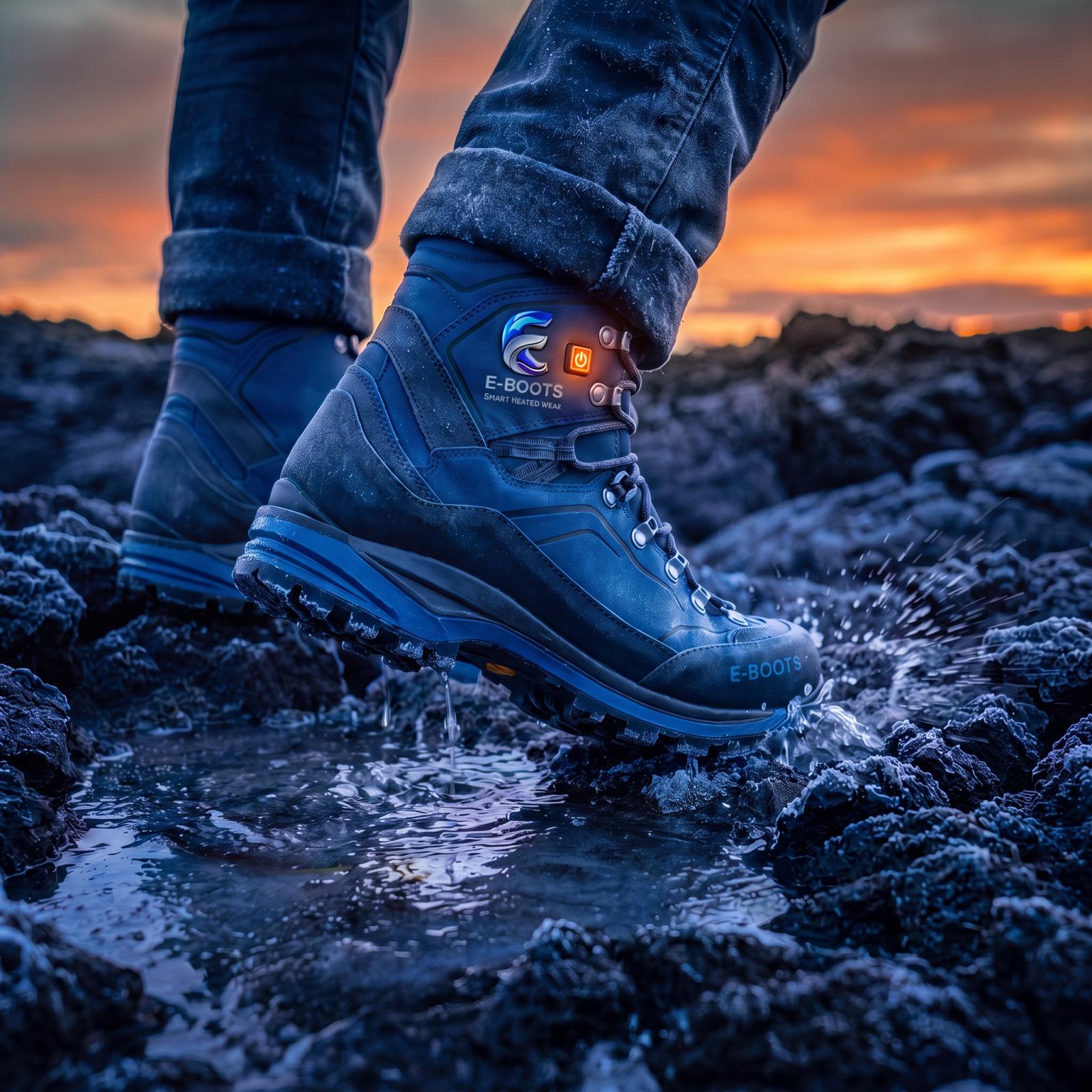
Before you buy any drop-in system, check three things:
- Boot volume: Does your shell have room for an added footbed without crushing the instep?
- Existing footbeds: If you run custom orthotics, an insole heater may not sit flat on top of them.
- Cable routing: Battery cables need a clean path out of the boot without pinching at the cuff.
Total Cost of Ownership and Replacement Parts
Here is the parts picture for both systems, based on how each brand structures its ecosystem:
| Part | Therm-ic | VoltHeat |
|---|---|---|
| Replacement battery | Sold separately | Sold separately |
| Charger | Sold separately | Sold separately |
| Cables and connectors | Brand-specific | Brand-specific |
| Controller or remote | Brand-specific | Brand-specific |
| Footbed or insole element | Replaceable as a unit | Replaceable as a unit |
A few practical points can save you real money over the life of a system:
- Check part availability before you buy, not after. Confirm that replacement batteries and chargers for the specific model are listed and in stock, and note whether the model has been superseded by a newer version. For options that hold up, see our list of heated boot replacement batteries and chargers.
- Store batteries at partial charge in the off-season. Lithium packs that sit fully drained or fully charged for months tend to lose capacity faster, so a mid-range charge and a cool, dry storage spot is the common recommendation.
- Inspect cables at the start of each season. Cable routing around the boot cuff is where most wear happens, and a frayed cable is cheaper to replace than a controller it takes out with it.
- Keep the charger with the system. Brand-specific chargers are easy to lose and annoying to replace, so a labeled pouch for the charger and cables pays for itself.
- Plan for one battery replacement over the life of the system. Most practitioners find that a lithium pack used hard through winter conditions will not hold its original capacity forever, so budgeting for one replacement is realistic rather than pessimistic.
Join the E-BOOTS Early-Access Waitlist
At E-BOOTS, our smart platform includes dual-control heating, adjustable on the boot or through the app, climate regulation that responds to ambient temperature, and app-integrated GPS with live location, route recording, and geofencing that a safety team can optionally monitor.
We are pre-launch. If you want early access, join the E-BOOTS early-access waitlist.
Frequently Asked Questions
What is the difference between VoltHeat and Therm-ic heated boot products?
VoltHeat focuses on battery-powered heated insoles and socks that drop into existing footwear, while Therm-ic offers heated insoles and boot-heater systems aimed largely at ski boots. Both rely on a rechargeable battery, a heating element, and a heat setting you control. The practical difference comes down to fit, battery placement, and how each system handles heat distribution inside the boot. Check each brand's current specifications for exact runtime and charging details before you buy.
Does Therm-ic make heated boots or heated insoles for ski boots?
Therm-ic is known mainly for heated insoles and boot-heater systems designed to fit inside ski boots, not standalone heated boots. That means you keep your existing boots and add the heating element and battery pack. One Reddit user described Therm-ic boot heaters as taking the cold out of the plastic rather than making boots hot, which is anecdotal but a useful expectation to set. Confirm the current product lineup on the brand's site.
Are heated boot systems compatible with every ski boot?
No. Heated boot system compatibility depends on boot volume, insole thickness, and where the battery pack or clip can sit without creating pressure points. A tight racing fit leaves little room for an added insole, while a roomier all-mountain boot may accept one more easily. Always check the heated insole dimensions against your boot's existing footbed, and test the battery placement before a long ski day.
How do you choose between heated insoles and heated socks for skiing?
Choose heated insoles when you want to keep your current boots and add warmth under the foot with a familiar fit. Choose heated socks when you want heat wrapped around the toes and forefoot and you have room in the boot for a thicker sock. Heated insoles vs heated socks for skiing often comes down to boot volume and whether you prefer heat from below or around the foot. Try both if you can before committing to a full ski season.


